In class, we participated in the Blanket Exercise with Dr. Daniel Sims. The exercise began with our entire class sitting on blankets spread across the classroom floor. As Dr. Sims read about events that occurred throughout Canadian history and their impacts on Indigenous peoples, the blankets gradually became fewer in number as students were instructed to leave them and sit outside the group. Some students were also given scrolls that discussed government policies and their implications for Indigenous peoples. As the exercise continued, fewer and fewer students remained seated on the blankets.
One of the most difficult parts of this experience was watching the process unfold. It felt relentless, as Indigenous peoples continued to experience loss, displacement, and restrictions on their rights to their own lands. As students, we could only watch as the exercise progressed, which made the experience particularly emotional. It was difficult to comprehend how much Indigenous peoples were forced to endure throughout Canadian history, especially on lands that had been their homes for generations. At the same time, the exercise made me reflect on the strength and resilience of Indigenous peoples, who have maintained their cultures, communities, and connections to the land despite these injustices.
Some of the readings and examples Dr. Sims shared highlighted positive actions Indigenous individuals took throughout history. However, these moments felt small compared with the magnitude of the injustices Indigenous peoples experienced. Even actions that seemed significant were sometimes represented through something as simple as unfolding a corner of a blanket. This made me think about how difficult it must have been for individuals to create meaningful change while facing such overwhelming barriers. It also reminded me that even small acts of resistance and perseverance can carry meaning, even when they do not immediately undo the harm that has occurred.
After the exercise, we sat in a circle and discussed our feelings and reactions. One of my peers shared that they had been afraid of being removed from their blanket early in the exercise. When it eventually happened, they wished they had chosen a different blanket at the beginning because they wanted to remain part of the exercise for longer. This comment particularly resonated with me because it made me consider how Indigenous peoples may have felt as they experienced the loss of their homes, land, and control over their own lives. Although our classroom experience cannot compare to the real suffering Indigenous peoples endured, it helped me reflect on the fear, uncertainty, and powerlessness that can accompany having something so important taken away from you.
Overall, the Blanket Exercise gave me a more personal understanding of the impacts of colonization in Canada. Rather than simply learning about historical events through readings or lectures, we were able to experience a small part of the process and reflect on the emotions associated with it. The exercise reminded me of the importance of learning about Indigenous histories and perspectives, recognizing the ongoing impacts of colonization, and acknowledging the resilience of Indigenous peoples. As a future educator, I believe experiences like this can help me approach Indigenous histories with greater empathy, respect, and understanding, while recognizing the importance of teaching these histories accurately and meaningfully.
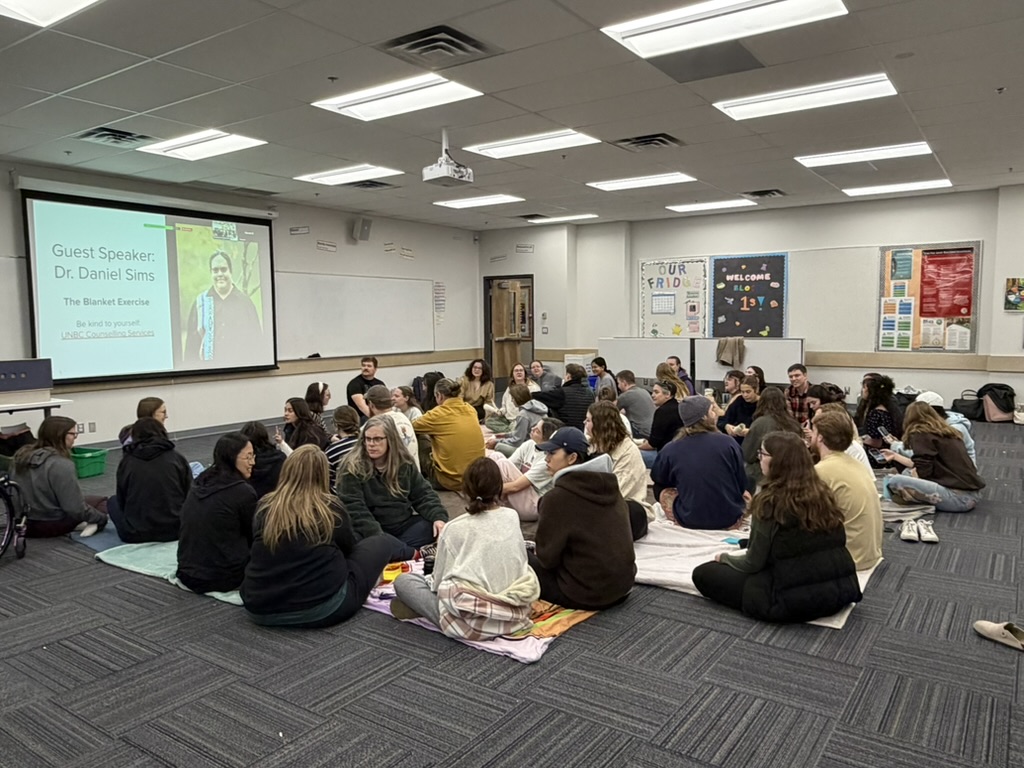
(Photo taken by Christine Ho Younghusband that was posted on Moodle)
Leave a Reply